
Food and Beverage Manufacturing Industry
Key software Features:
 |
Food and Beverage Traceability
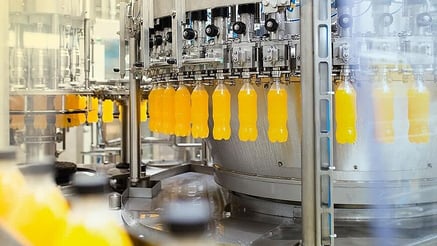
Lot tracking allows you to keep track of which customers received specific groups or batches of your products, which is critical for FDA and other regulatory systems. Order Time supports complete food and beverage traceability end-to-end, from manufacturer to customer, with automatically generated lot or serial numbers that can be based on expiration dates. You can track and backtrack all transactions where a lot or serial number was used, and the “Part Of” feature provides full lot genealogy within Work Orders for deeper production visibility. With full lot tracking and lot costing capabilities, Order Time helps you achieve FDA, ISO, or CFIA compliance while minimizing the risks and costs associated with product recalls. |
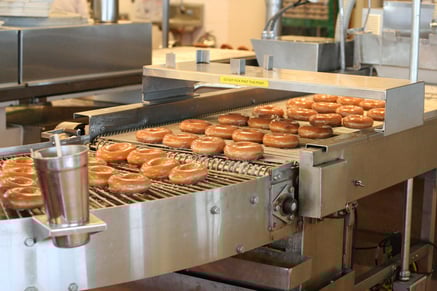 |
Production OrdersOrder Time supports Production Orders, which are a series of Work Orders and/or Disassemblies that are linked together. This provides visibility across multi-stage production processes and ensures tighter control over manufacturing workflows. Bill of Materials
An important tool for manufacturers is the Bill of Materials also known as the BoM or recipe. The bill of materials is a listing of the raw materials and quantities of each needed to manufacture a finished product. It has multiple purposes including:
Purchasing: The BoM is used to forecast the raw materials demand based on the quantity of finished products that needs to be produced. |
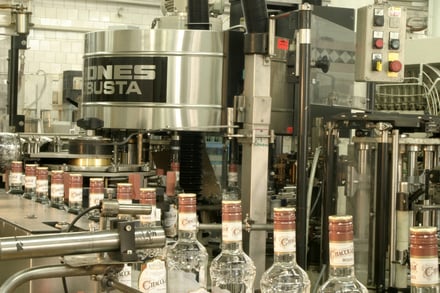 |
Lot NumbersA lot number is an identification number assigned to a particular quantity, batch or lot of a product from a single manufacturer. Lot numbers can typically be found on the outside of packaging. A product will typically have an identifier often referred to as a SKU (stock keeping unit). For example, a case of tomato sauce may have a SKU of SCS-123. In addition to the SKU, the case will have a lot number which may be different on each case. For example cases purchased in December may have a different lot number than those purchased in January but the SKU will be the same. A lot number may also be a date code representing the expiration of the product. |
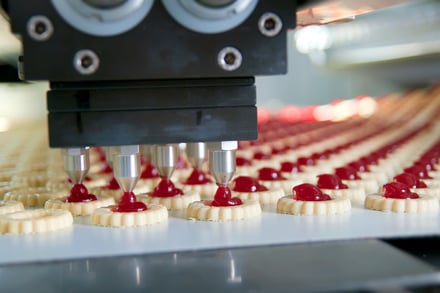 |
Food and Beverage Inventory ManagementOrder Time’s food and beverage inventory management software will give visibility into all aspects of your business to streamline processes and increase the efficiency of your workflow. You can control all sales orders, from generating quotes to tracking statuses and controlling all necessary approval. You can also control all roles and access in your business, administering what data is available to who. We’re proud to offer the best food and beverage software for inventory management. |

Avoid Total Recall - Traceability for Food & Beverage Manufacturers
Learn More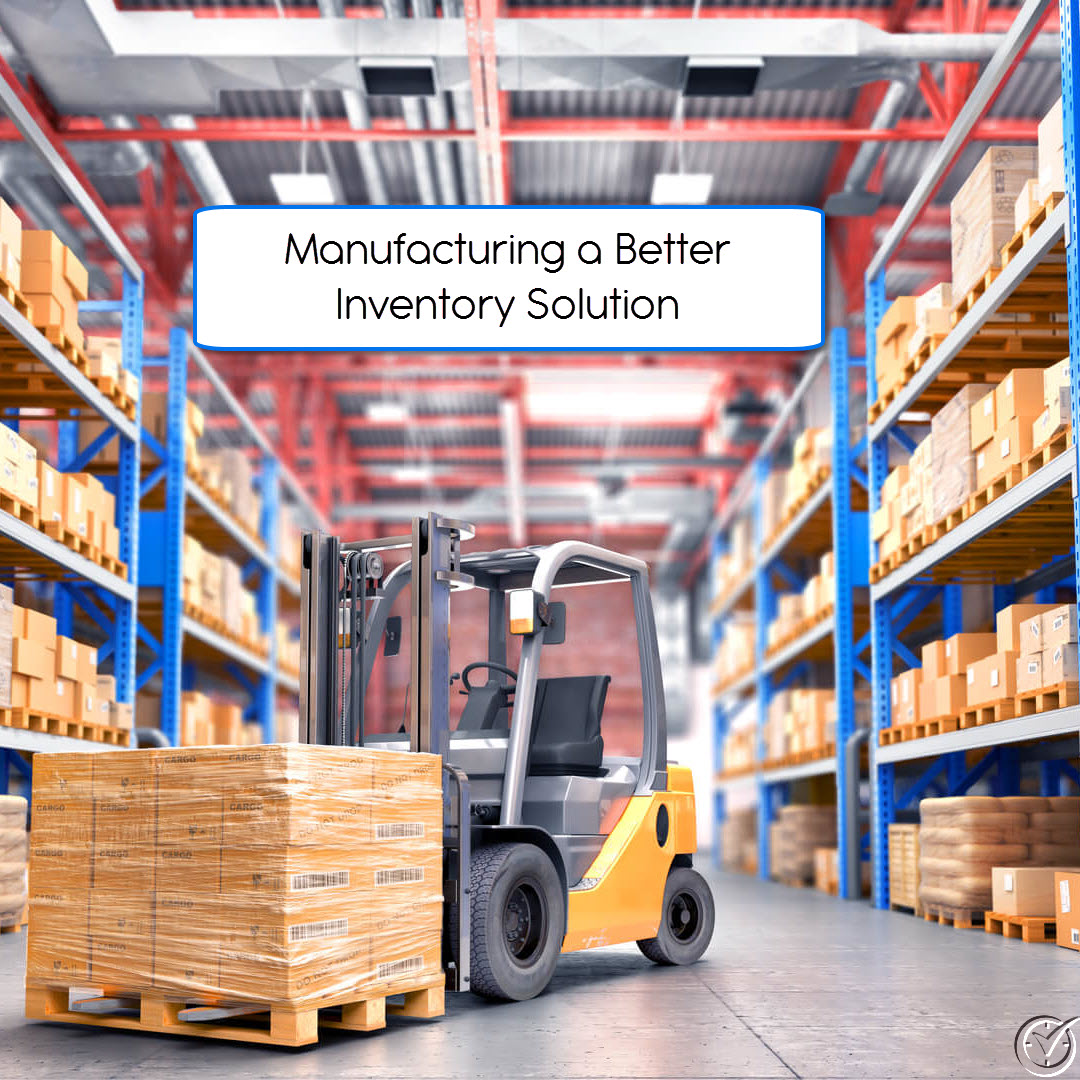
Manufacturing a Better Inventory Solution
Learn More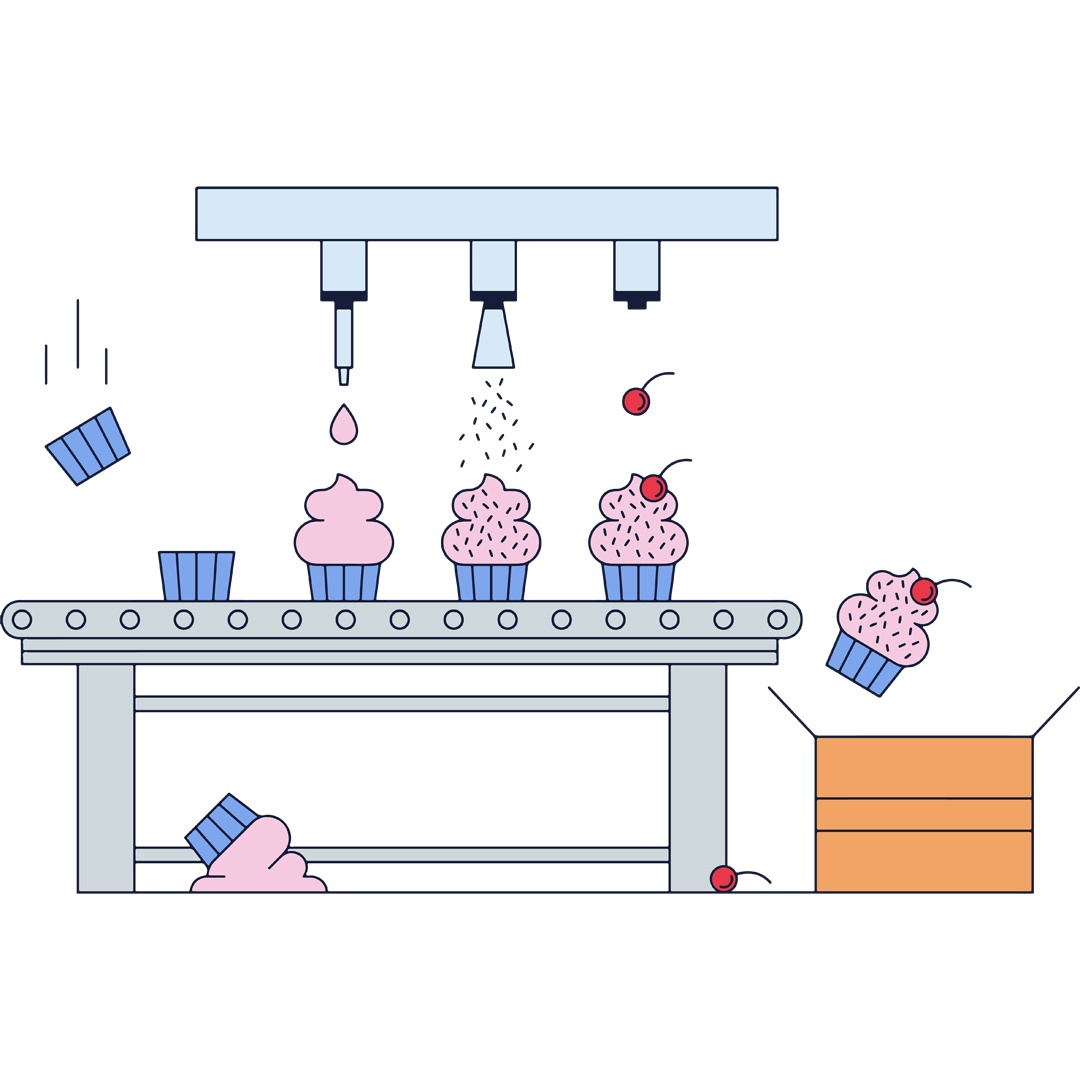
Bill of Materials for Food & Beverage Manufacturers
Learn More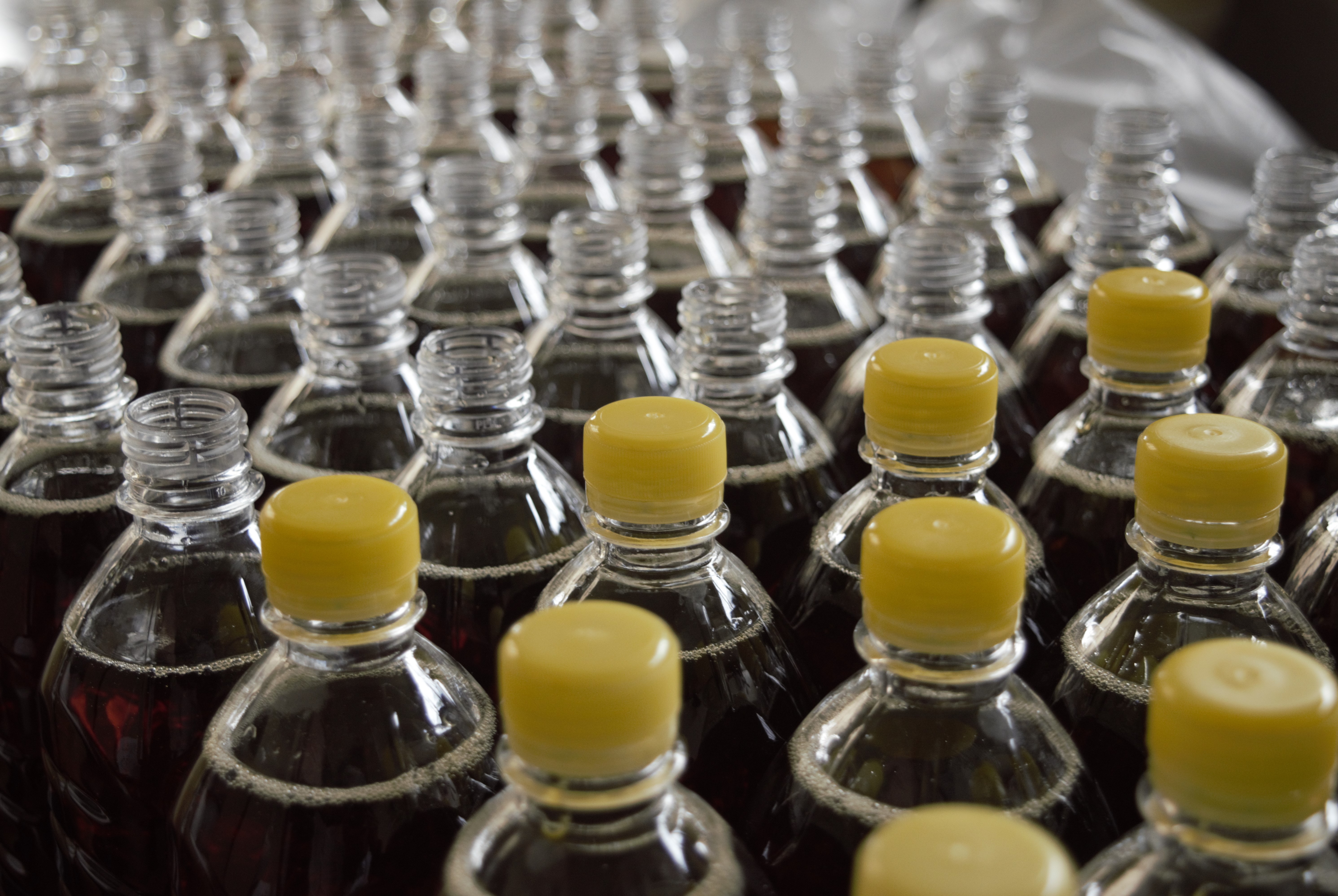
Lot Number Tracking
Learn More
Reach More with Farm-to-Door: Fresh Produce Delivery
Learn More
Food Production Inventory Management
Learn More