Without an accurate view of what’s in stock and where it’s located, businesses often run into costly issues such as overselling, production delays, fulfillment problems, and missing inventory. As operations grow, gaining control becomes more difficult because products move through more warehouses, bins, production stages, and sales channels.
Understanding inventory control is the first step to establishing more reliable processes. With an inventory control and order management platform like Order Time, teams can maintain current records, track stock movements, and use accurate information to plan production and fulfill orders. This article answers the question “What is inventory control?”, explains the role of inventory control software, and how businesses can use it to improve production and fulfillment.
Table of Contents
- What Is Inventory Control?
- What Is Inventory Control Software?
- How Does Inventory Control Software Improve Production & Fulfillment?
- Take Control of Inventory With Order Time
- Frequently Asked Questions
What Is Inventory Control?
Inventory control is the process a business uses to manage the quantities, locations, availability, and movement of its inventory. With effective processes in place, teams can understand what they have, where it is stored, and whether it is available for sale or production. That information helps a business avoid making commitments based on inaccurate records.
Businesses can also use inventory control processes to track the stock they already have. By documenting inventory movements and regularly checking physical quantities, teams can find misplaced products, investigate discrepancies, and correct inaccurate records before those issues affect customers.

What Is Inventory Control Software?
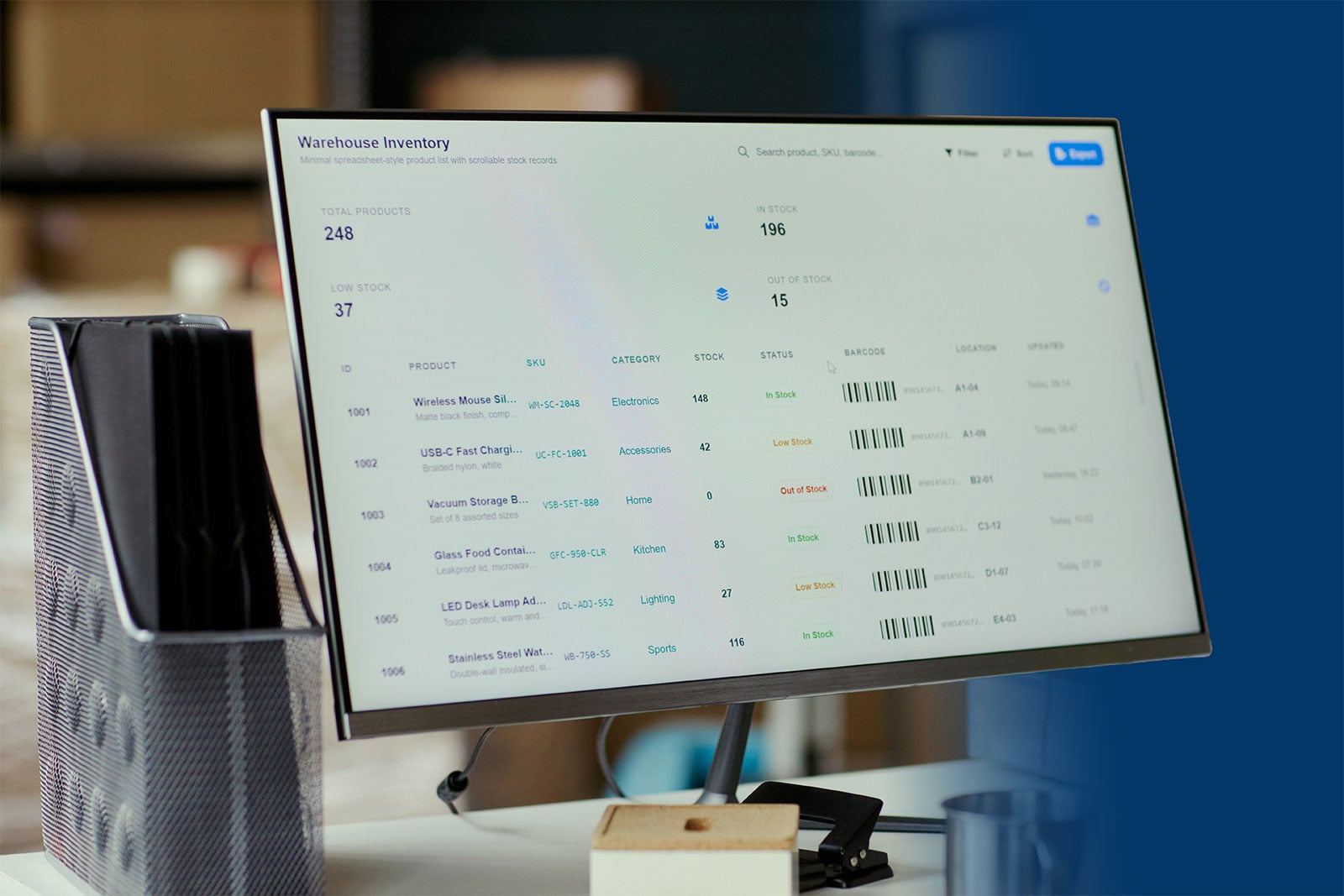
Inventory control software is a technology businesses can use to centralize inventory information and track stock movements across their operations.
Instead of updating individual spreadsheets or comparing disconnected records, teams work from a single, up-to-date system that records products as they are received, transferred, adjusted, used in production, sold, and fulfilled. Everyone who depends on that information can make decisions using the same records.
With inventory control software, product-based businesses can:
- View inventory across multiple warehouses, locations, and bins.
- Track transfers between locations and movements within a warehouse.
- Use barcodes to record inventory activity more efficiently.
- Perform inventory counts and make documented adjustments.
- Track products by lot or serial number for greater traceability.
- Connect inventory records with sales, purchasing, production, and warehouse workflows.
How Does Inventory Control Software Improve Production & Fulfillment?
During production planning, teams need to know whether they have the required materials and components on-hand. By connecting inventory records with bills of materials, work orders, assemblies, and purchasing, teams can identify shortages earlier and replenish materials before production schedules are disrupted.
When it’s time to fulfill an order, warehouse employees can use location- and bin-level records to determine where each product is stored. They’ll spend less time searching for inventory and move orders through picking and fulfillment more efficiently.
Businesses can also use current availability data to avoid accepting orders they cannot complete. Before committing to a customer, sales teams can confirm there is enough inventory in the warehouse or give a projected timeline for when the product will be on-hand.
By managing these workflows with inventory control software, businesses can address potential shortages earlier, keep orders moving, and set more reliable customer expectations.
Take Control of Inventory With Order Time
Businesses need accurate inventory information to plan production, fulfill orders, and protect the products and materials they have already purchased. As operations become more complex, they also need a reliable way to maintain inventory control.
Warehouse teams can use Order Time to track inventory across locations and bins, manage stock movements, improve traceability, and connect inventory records with the workflows that depend on them. That visibility leads to more informed decisions from purchasing through fulfillment.
Learn more about Order Time’s features that support greater inventory control.